In 15 years writing and talking about beer, I’ve learned the style that most surprises people — once they give it a chance — is stout.
The fear is about the “weight” of the beer — that it’ll be “heavy” and/or high in alcohol. Or it’s a fear based on a fledgling sip of Guinness where that dry, slightly burnt, mildly acidic character has marked all other dark beers with the tag: avoid.
Mostly stout doesn’t live up to fright-hype — they can be quite low in ABV and surprisingly light in the body. And most do not taste like Guinness.
Part of the allure of stout is that it’s not a beer you just drink. It’s not designed to be thirst-quenching or refreshing (though surprisingly it can fulfil that function) but rather it’s a style to be savoured, sipped on, sat with, and served with food.
So give hazies the heave-ho, defuse the hop bombs — those are worthy beers and you can come back to them in the warmer months (they’re not going anywhere) — and let me you’re your hand as we cross over the dark side of the street.
Temperature — it changes everything
The biggest mistake people make with stout is drinking it too cold. Fridge-cold and stout is a muffled conversation — you can tell something interesting is being said but you can’t quite make it out. Give it 10 to 15 minutes to warm and the beer opens up — the roast softens, the sweetness emerges, the complexity reveals itself.
Know what you’re drinking
Stout is not one thing — and this is where a lot of drinkers get unstuck. A dry Irish stout (think Guinness) is lean, roasty, almost coffee-bitter with a nitrogen-driven creaminess that coats the mouth. A milk stout is a different animal entirely — sweetness and lactose push it towards chocolate milkshake territory. An imperial stout, the most extreme expression of the style, is somewhere between a beer and an experience: boozy, dense, often barrel-treated to create a library of flavours. (See Kieran Haslett-Moore’s style descriptors on the next page).
Flavour isn’t just flavour
Here’s the thing about stout that separates it from almost every other style: it invites you to think in terms of texture, not just taste. The mouthfeel — that full, sometimes velvety, sometimes chewy weight — is part of the experience in a way it simply isn’t with a pilsner or a pale ale. A well-made stout doesn’t just have structure. It has architecture.
Stout is built on multiple malts that offer an interplay between the roasted bitterness (that dry, espresso-like quality) and whatever sweetness the brewer has dialled in. Too much roast with no sweetness and it’s astringent. Too much sweetness with no roast and it’s cloying, a bit like slightly flat Coca-Cola.
The great ones — and there are great ones being made right now in New Zealand — hold that tension beautifully.
Pair it with food
People often talk about beer matching with food and the best beer to have with any food is stout. There’s an umami character to stout which complements sweet, salty and fatty.
Dry stout with a sharp cheddar. Imperial stout alongside a slow-cooked beef short rib. A milk stout with a berry cheesecake (trust me). On that note…
You could almost say brewers these days suffer from adjunctivitis, but a great dessert stout (or pastry stout) is the winter equivalent of a full-fruited hazy.
You’ll see stouts imitating lollies, cakes, biscuits and desserts: tiramisu is a favourite, alongside affogato and black forest gateau.
Winter is coming but fear not — match the climate by taking your foot off the throttle of life, sit still and drink a stout.
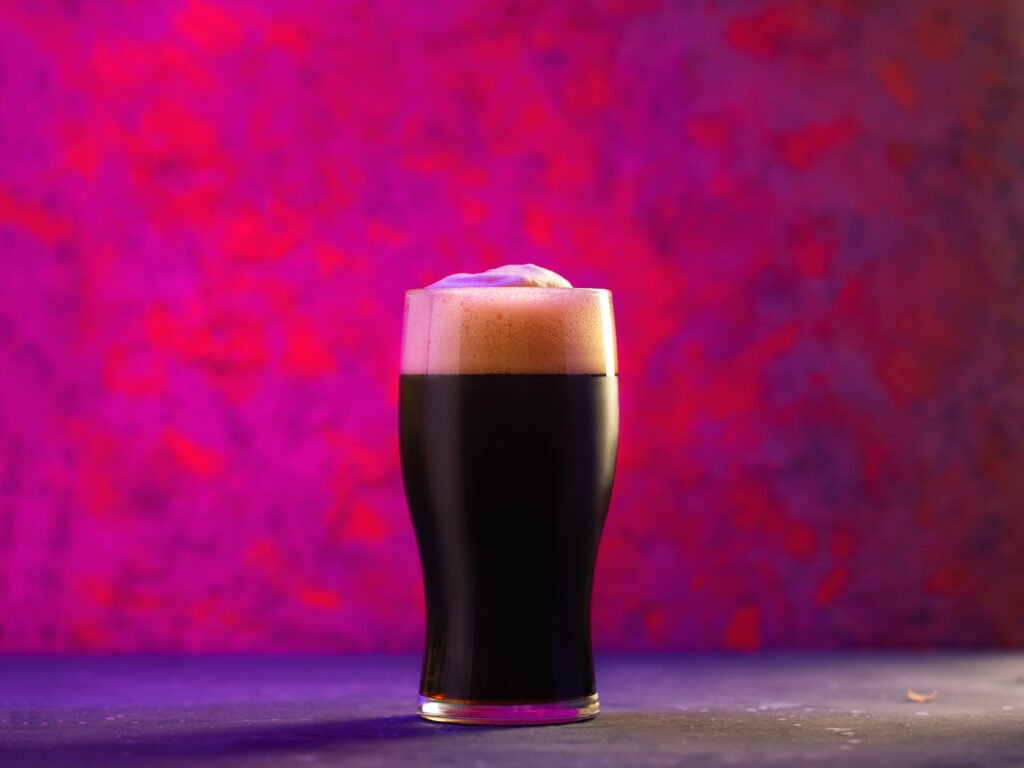
A guide to stout
Kieran Haslett-Moore
Dry Irish Stout
If one knows of stout at all this is the one. The big G, the rival M and the lesser known B, the famous black stuff of Ireland. Think thick creamy voluminous white heads, slightly burnt toast, dry lean sessionable body and firm bitter/roast finishes.
Milk Stout
If you are of a certain age this one conjures up the formidable Ena Sharples in Coronation Street’s Rovers Return. Think smooth coffee laced with sweetened condensed milk, and rounded milk chocolate in the afternoon.
Export Stout
An emerald gift to far-flung lands. Often associated with virility and fertility in the tropical developing world. “Put some lead in ya pencil” they shout in the Caribbean. Irish Dry Stout with the volume turned up. Think roasty toast laced with a little brown sugar and rum.
Oatmeal Stout
A hangover from when stout was prescribed to the poorly and infirm. Fortified with the supposed goodness of nutritious rolled oats. Chocolate and nuts with the gentle viscosity that makes your porridge thick.
Coffee Stout
Just because we can means we do. One of the first beers created by the craft brewer obsession with adding stuff to dark beer. Pretty much any stout style that has been given wings with an addition of coffee. A caffeine pep up with your pint.
Imperial Stout
If it is worth doing it is worth over doing. The biggest, baddest, richest, most roasty stouts around. Traditionally rich and warming with a long, burnt, fruitcake finish but now can include any of the qualities found in the world of stout but intensified as the ABV climbs.
American / hoppy stout
The combination of rich dark high cocoa chocolate and resinous citric hops. Think the flavour combo of Jaffas. The hop head’s dark beer.
Pastry stout
Combines the addition of lactose sugar like a milk stout, the abv of an imperial stout and the craft brewer’s urge to add the contents of a confectioner’s larder to a beer. Vanilla, chocolate, fruit syrups, spices, cakes, biscuits … nothing is off limits or sacred.