Kudos to the team at Froth Technologies for the work they’re doing with their New Zealand native yeast, Wilding.
I’ve always enjoyed the handful of beers where Wilding has turned up: notably the first brew Emerson’s did to showcase the yeast as well as Three Sisters Wild One.
And now the Froth team are starting an annual collab project called Re-Wilding where every dollar of profit from each release will be donated to biodiversity and regeneration projects around Aotearoa.
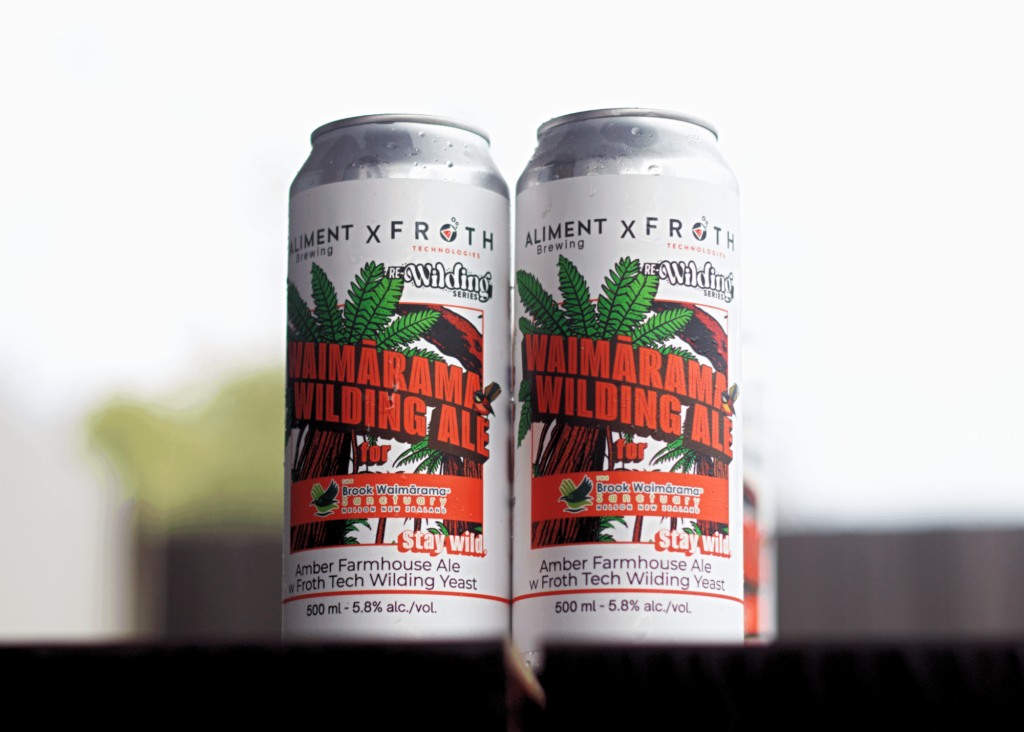
The first beer in the series is Waimārama Wilding Ale, brewed by Jason Bathgate at Aliment Brewing in Riwaka. All profits from the beer will support the Brook Waimārama Sanctuary, a community-led conservation project restoring nearly 700 hectares of native forest just outside Nelson.
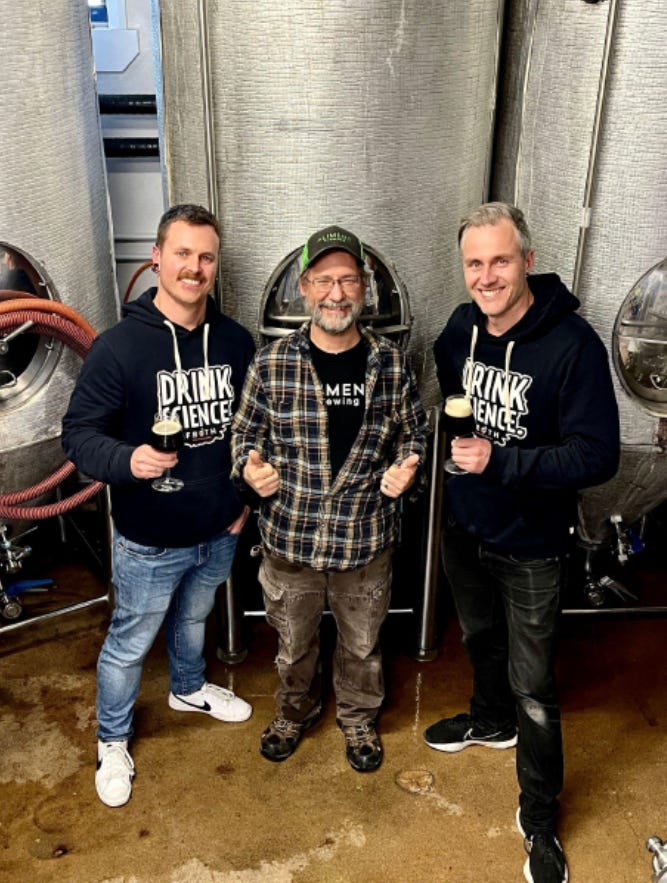
For Froth Technologies co-founders Simon Cooke and Ryan Carville, it’s the next chapter in a story that started years ago while searching New Zealand’s wilderness for native brewing yeasts.
“We’ve always felt this yeast represented something bigger than beer,” says Carville.
“When we isolated Wilding, we wanted to show that New Zealand has its own brewing yeast with something genuinely local to offer. The Re-Wilding Series is our way of building on that by making beers that celebrate those wild places, while also helping support their restoration.
Good beer doing a bit of good feels like a pretty good outcome.”
The beer itself is an Amber Farmhouse Ale.
“Wilding has a personality all of its own,” says Bathgate.
“It’s fruity, it’s a little funky and rustic, and finishes beautifully dry, while still offering up this lovely silky mouthfeel. We wanted to brew something that let the yeast speak for itself. Brewing an amber farmhouse beer gives it just enough malt character without getting in the way.”
For Aliment co-founder Monica Mead, supporting the Brook Waimārama Sanctuary made perfect sense.
“We’ve always wanted Aliment to be more than just a brewery. Conservation is something that’s important to us, and the team at the sanctuary are doing incredible work restoring native ecosystems. Being able to contribute through a beer is something we’re really proud of.”
The Brook Waimārama Sanctuary is home to threatened native species including kiwi, pukupuku, tuatara and kākāriki karaka. The sanctuary relies on community support, volunteers and donations to continue its conservation work.
Cooke says the goal is to make the Re-Wilding Series something brewers and drinkers look forward to every year.
“There are so many amazing breweries doing great work around the country. Each year we’ll partner with one of them, brew something genuinely unique with Wilding, and support a conservation project making a real difference. Hopefully we can raise a decent amount of money along the way too.”
WHAT IS WILDING?
Wilding is a wild yeast strain that was isolated from remote bush in Aotearoa’s wilderness by Froth Technologies and developed with support from Callaghan Innovation. But how is it different to regular brewing yeast? The strain is the same genus as common domesticated ale yeast (S.cerevisiae), but carries with it wild and rustic traits that offers mauri whenua, or ‘terroir’ to beer — the essence of the place.
Its DNA carries a gene variation typical of wild or farmhouse yeast strains — Diastaticus — which allows the yeast cells to excrete enzymes that convert complex un-fermentable sugars into fermentable sugars, making for a longer fermentation and an ultra-dry finish (naturally low-carb, with attenuation of 90-100% for the brewers). The strain also excretes a sweet, viscous compound called glycerol into the beer, creating a velvety texture and perceived sweetness, despite being so dry.
Compared to common beer yeasts, Wilding will also produce a higher level of esters — fruity flavor compounds that offer ripe pear and banana notes, along with phenolic compounds such as rustic spice or clove. As is typical for wild yeasts, it’s also slow to flocculate and settle to the bottom of the tank, so nice clear beer takes a good amount of cold conditioning and patience from the brewer, while gravity helps to finish the job.
WHERE YOU CAN TRY IT
The beer is released on July 18 and the following venues will have it on tap:
The Portsider – Port Chalmers
Punky Brewster Fillery – Christchurch
Moon Under Water – Christchurch
Grovetown Hotel – Blenheim
Red 16 – Nelson
The Free House – Nelson
Aliment Brewing Tasting Room – Riwaka (takeaways only)
Malthouse – Wellington
Monkfish Fillers – Wellington
Little Beer Quarter – Wellington
Brew Union – Palmerston North
Rogue Hop – Napier
Galbraith’s Ale House – Auckland